2026.03.19
 Industrie -informatie
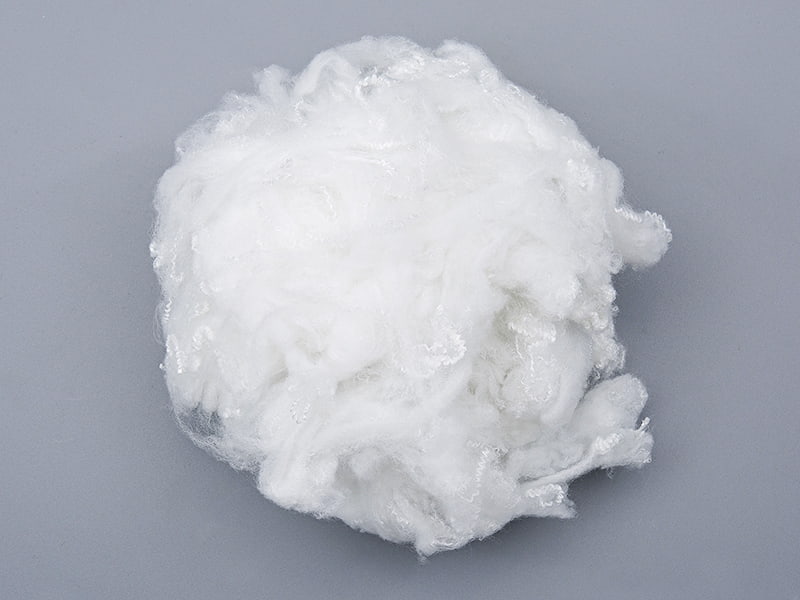
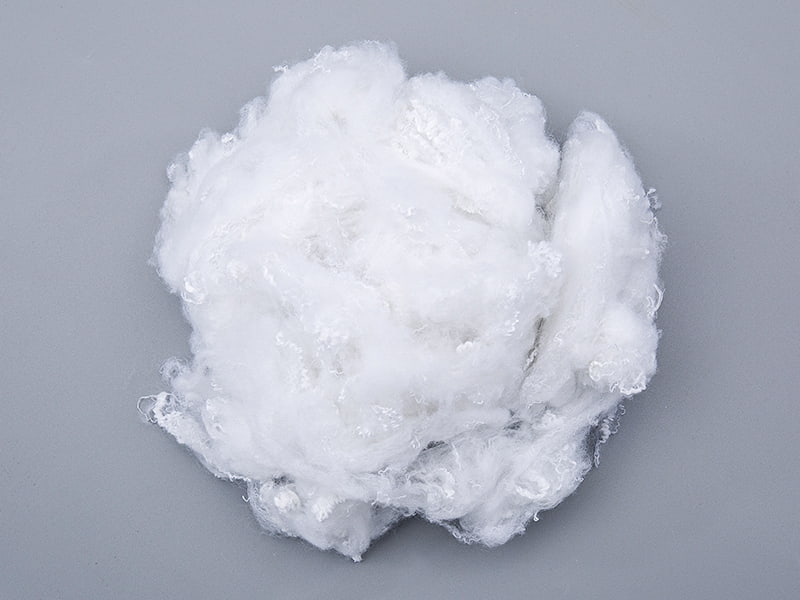
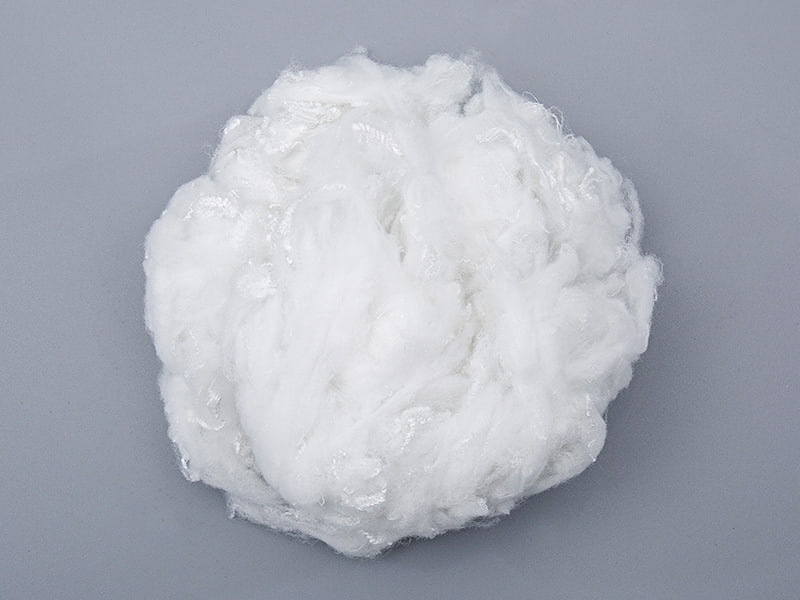
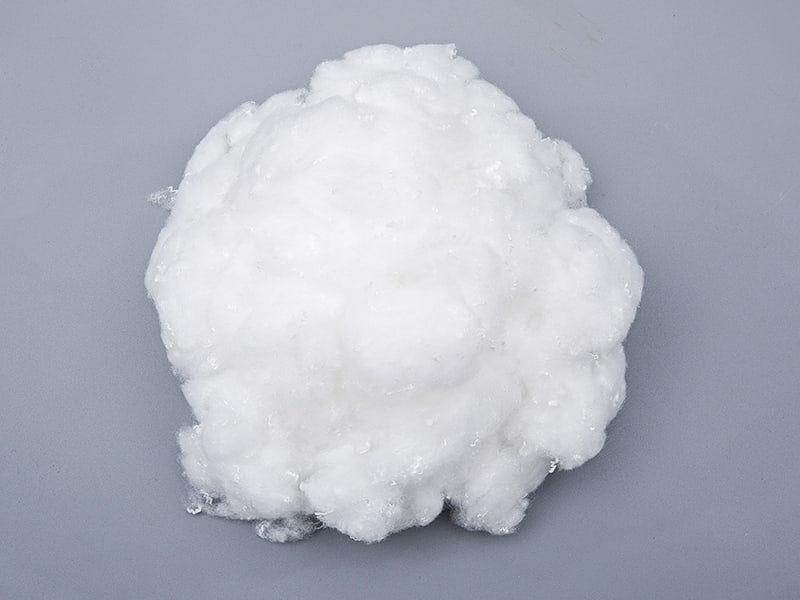
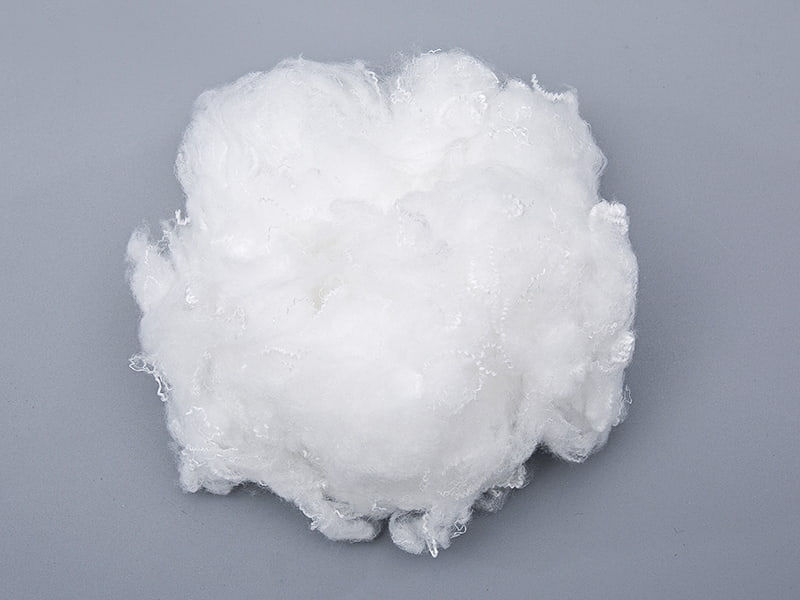
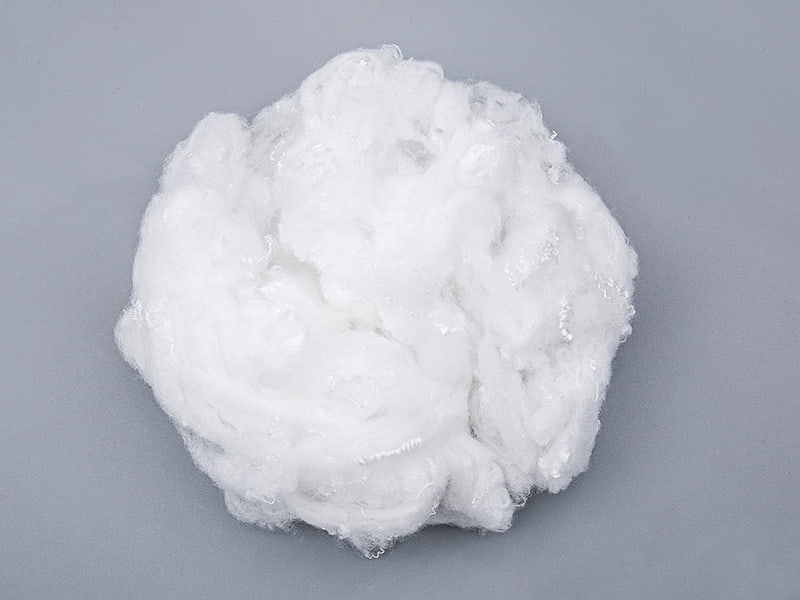
Polyester stapelvezel is een van de meest gebruikte synthetische vezels in de textielindustrie en staat bekend om zijn duurzaamheid, veelzijdigheid en prestaties. In vergelijking met andere synthetische vezels onderscheidt polyesterstapelvezel zich door zijn eigenschappen die voldoen aan de behoeften van zowel consumenten als fabrikanten.
Polyester stapelvezels zijn gemaakt van synthetische polymeren, voornamelijk polyethyleentereftalaat (PET). Het wordt geproduceerd door middel van een spinproces, waardoor korte vezels ontstaan die vervolgens in stapellengtes worden gesneden voor verder gebruik in textiel. De vezels zijn ontworpen om lichtgewicht, zeer duurzaam en bestand tegen verschillende omgevingsfactoren te zijn, waardoor ze ideaal zijn voor diverse toepassingen in mode, sport en industrieel textiel.
Een belangrijk kenmerk van polyesterstapelvezels is het vochtafvoerende vermogen. Deze speciale eigenschap, die het resultaat is van de vorm en textuur van de vezel, vergemakkelijkt de opname van zweet en de snelle verspreiding ervan naar het oppervlak van de stof, waar het snel verdampt. Het materiaal is ook ademend, wat bijdraagt aan een droge en comfortabele ervaring, vooral tijdens activiteiten met hoge intensiteit.
Synthetische vezels zijn populaire keuzes in modern textiel vanwege hun duurzaamheid en veelzijdigheid. De prestaties van elke vezel kunnen echter aanzienlijk variëren, afhankelijk van factoren zoals treksterkte, slijtvastheid en het vermogen om omgevingsstress te weerstaan. Polyesterstapelvezels worden vaak vergeleken met andere veelgebruikte synthetische vezels, zoals nylon, acryl en polypropyleen, elk met hun unieke eigenschappen.
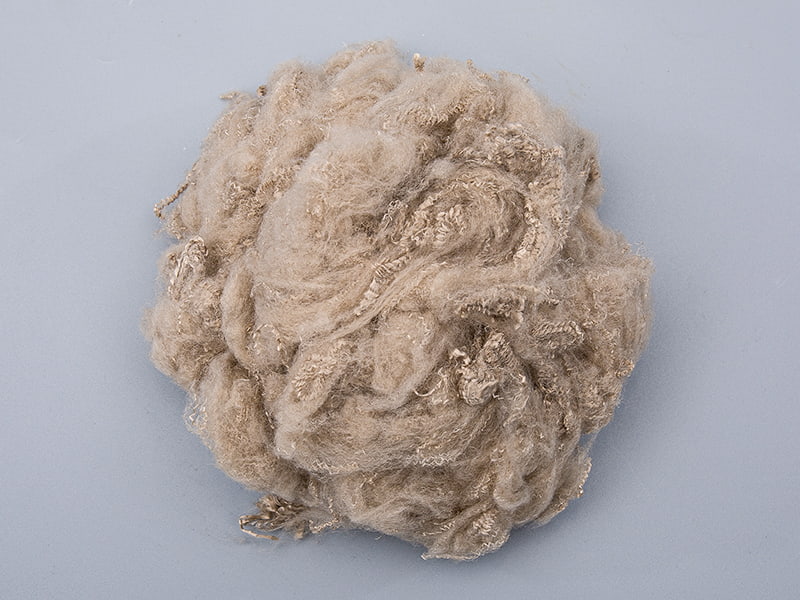
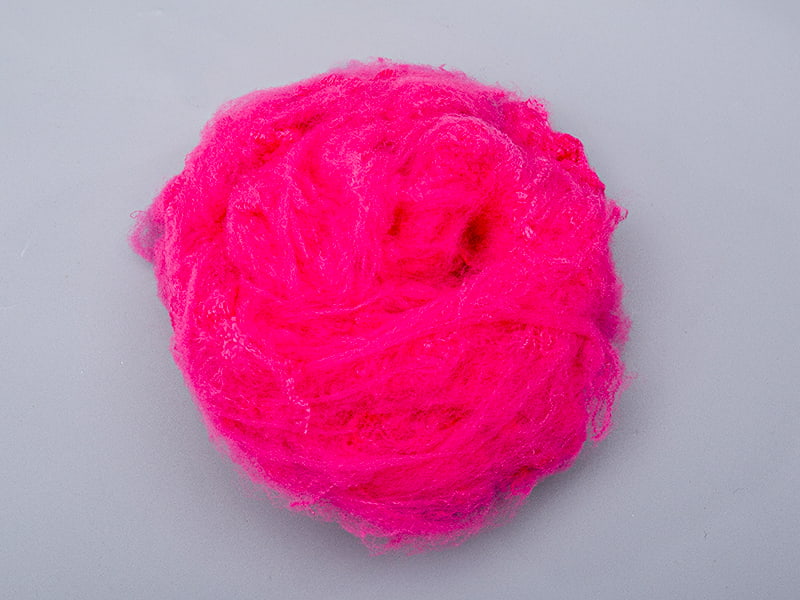
Speciale vezels, waaronder die welke worden gebruikt in sportkleding en prestatietextiel, bevatten vaak polyesterstapelvezels vanwege de uitzonderlijke duurzaamheid en vochtafvoerende eigenschappen. Door de veelzijdigheid van polyesterstapelvezels kan het in verschillende vormen worden verwerkt, zoals kationische kleurstoffen of gemakkelijk te verven vezels, waardoor het toepassingsbereik in verschillende markten wordt uitgebreid, van mode tot industrieel textiel.
De mogelijkheid om aangepaste vezelvormen en -texturen in de polyestervezel op te nemen, geeft het een concurrentievoordeel op het gebied van productprestaties. Polyester met unieke dwarsdoorsnedevormen vergroot bijvoorbeeld het oppervlak, verbetert de vochtregulatie en verhoogt het comfort.
De duurzaamheid van polyesterstapelvezels maakt het een ideale keuze voor een breed scala aan toepassingen, van sportkleding tot industrieel textiel. Het wordt vaak gebruikt bij de productie van vochtafvoerende stoffen voor sportkleding, waardoor comfort en prestaties tijdens fysieke activiteiten worden gegarandeerd. Het wordt ook gebruikt in huishoudtextiel, waaronder meubelbekleding en gordijnen, vanwege de langdurige eigenschappen en weerstand tegen vlekken en slijtage door omgevingsfactoren.
De vochtafvoerende eigenschappen van polyesterstapelvezels maken het een topkeuze voor atleten. Of het nu wordt gebruikt in prestatiekleding of uitrusting, de vezel biedt comfort door de huid droog te houden en ademend vermogen te garanderen.
Het vermogen van polyester stapelvezels om slijtage te weerstaan, maakt het een keuze voor industriële toepassingen, waaronder filtratiematerialen, touwen en koorden. De weerstand tegen omgevingsfactoren zorgt voor een lange levensduur in deze uitdagende omstandigheden.
Op het gebied van mode en stoffering maken de duurzaamheid en het kleurbehoud van polyester het een betrouwbare optie. Het vermogen om bestand te zijn tegen herhaaldelijk wassen, schuren en UV-blootstelling zorgt ervoor dat kleding en woninginrichting langdurig functioneel en aantrekkelijk blijven.
| Eigendom | Polyester stapelvezel | Nylon | Acryl | Polypropyleen |
|---|---|---|---|---|
| Treksterkte | Hoog | Zeer hoog | Matig | Matig |
| Vochtafvoerend | Uitstekend | Arm | Matig | Uitstekend |
| Slijtvastheid | Uitstekend | Matig | Arm | Matig |
| UV-bestendigheid | Hoog | Laag | Matig | Hoog |
| Chemische weerstand | Hoog | Matig | Laag | Zeer hoog |
Polyesterstapelvezel is een veelzijdige en duurzame synthetische vezel die beter presteert dan veel andere materialen op belangrijke gebieden, zoals vochtafvoer, sterkte en milieubestendigheid. Terwijl andere synthetische vezels zoals nylon, acryl en polypropyleen hun eigen voordelen hebben, biedt polyester stapelvezel een goed afgeronde combinatie van duurzaamheid, comfort en langdurige prestaties. Het brede scala aan toepassingen, van sportkleding tot industrieel textiel, maakt het een betrouwbare en kosteneffectieve keuze voor zowel fabrikanten als consumenten.
1. Wat maakt polyesterstapelvezels duurzaam in vergelijking met andere vezels?
Polyesterstapelvezel staat bekend om zijn hoge treksterkte, weerstand tegen UV-licht en minimale slijtage in de loop van de tijd, waardoor het een duurzamere keuze is dan andere vezels zoals nylon of acryl.
2. Zijn polyesterstapelvezels vochtafvoerend?
Ja, polyester stapelvezels hebben vochtafvoerende eigenschappen, waardoor de huid droog en comfortabel blijft tijdens lichamelijke activiteit.
3. Kunnen polyesterstapelvezels worden gebruikt voor buitentextiel?
Ja, de UV-bestendigheid en duurzaamheid van polyester maken het geschikt voor outdoortextiel, inclusief sportkleding en outdooruitrusting.
4. Hoe verhouden polyester stapelvezels zich tot nylon wat betreft duurzaamheid?
Hoewel zowel polyester als nylon duurzaam zijn, is polyester beter bestand tegen UV-degradatie en slijtage, waardoor het in veel toepassingen een duurzamere keuze is.
5. Zijn polyesterstapelvezels milieuvriendelijk?
Polyesterstapelvezels kunnen worden gemaakt van gerecyclede materialen, wat bijdraagt aan de duurzaamheid ervan. De impact op het milieu hangt echter af van de productieprocessen en recyclingmogelijkheden aan het einde van de levensduur.
Emon Technology is bereid om oprecht de handen ineen te voegen, samen te werken voor win-win resultaten en samen schittering te creëren!
Tel: +86-512-63679088
Email: [email protected]
[email protected]
[email protected]
[email protected]
[email protected]
Add:Ten zuiden van 318 National Highway, Miaotou Village, Meiyan, Wujiang, Jiangsu
Copyright © Suzhou Emon New Material Technology Co., Ltd. All rights reserved.